
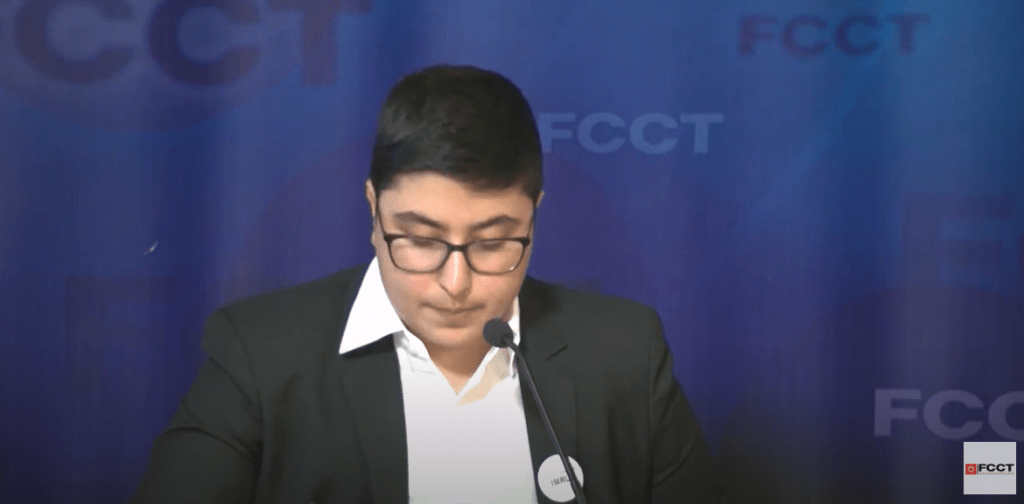
Across Southeast Asia, the treatment of lesbian, gay, bisexual and transgender people has become a hot political and social issue. Brunei’s Sultan unilaterally imposed a criminal sharia code calling for LGBT people to be whipped and stoned to death. In Indonesia, LGBT people are being hunted by religious extremists as the government looks the other way. But in Taiwan, on May 17 the legislature passed a marriage equality law to comply with a Constitutional Court ruling that restricting marriage to heterosexual couples is unconstitutional. And in between, authoritarian governments like Vietnam and military-ruled Thailand find that making reforms to better recognize LGBT people and their communities is one area of human rights they are willing to take up.
So what direction are LGBT rights moving in the region, and what are the broader trends and future possibilities, both positive and negative? What are activists seeing at the grassroots on fundamental issues of rights, gender identity, and social and economic vulnerability – and does media reporting on such issues matter? Finally, in what is often seen as a diplomatic minefield in some Asian countries, what role should the international community – diplomats, donors, multilateral organizations and others –play to advance or shape the future of LGBT rights?
 Shane Bhatla